Podiatry is the medical specialty that treats your feet and ankles. Considering the weight they bear, your feet are small compared to the rest of your body. If you experience foot pain or other problems, consult the best podiatrist in New York City for diagnosis and treatment. Your foot doctor is trained and skilled in identifying problems and choosing the most appropriate treatment option.
Note: Podiatrists at Century Medical and Dental Center with offices in Downtown Brooklyn, Flatbush, Gravesend, Midtown Manhattan, and Harlem accept all major insurance plans, including Medicare, Medicaid, HIP, Emblemhealth, GHI, MetroPlus, and Fidelis. Our top-rated doctors provide a full range of medical procedures and are among the best podiatrists in the region.
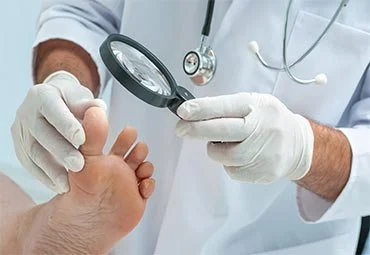
Podiatry
Your feet and ankles comprise 26 bones and 33 joints. They contain many more muscles, ligaments, and tendons. Everything must be in excellent working order for you to stand, balance, walk, and run.
Yet, your feet are subject to a lot of abuse as you age. And you may ignore them as part of your usual self-care regimen. As a result, your feet are more prone to injury and wear and tear as you age. The top podiatrist takes care of your feet and ankles, keeping you active and moving. See our
primary care physicians for proper diagnosis, evaluation, and referral to a foot doctor.
Causes of Foot Problems
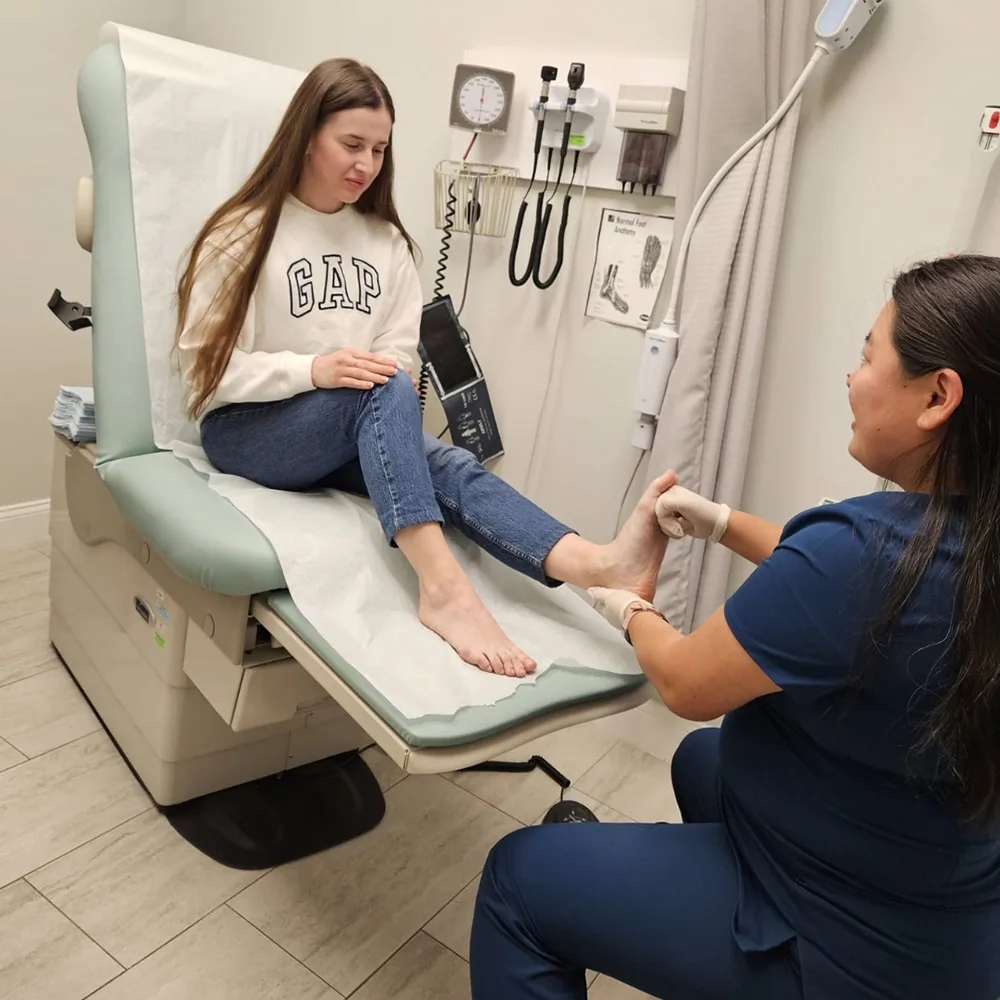 Foot pain can arise from many sources, including:
- Improper-fitting shoes;
- Inappropriate shoes;
- Normal wear and tear due to aging;
- Poor circulation, such as from diabetes;
- Consistent or prolonged exposure to cold temperatures or moisture;
- Ingrown toenails from improper clipping;
- Sitting for long periods of time;
- Smoking;
- Injury or trauma.
Foot Conditions and Treatments
Visit your podiatrist for diagnosis and treatment of the following foot issues:
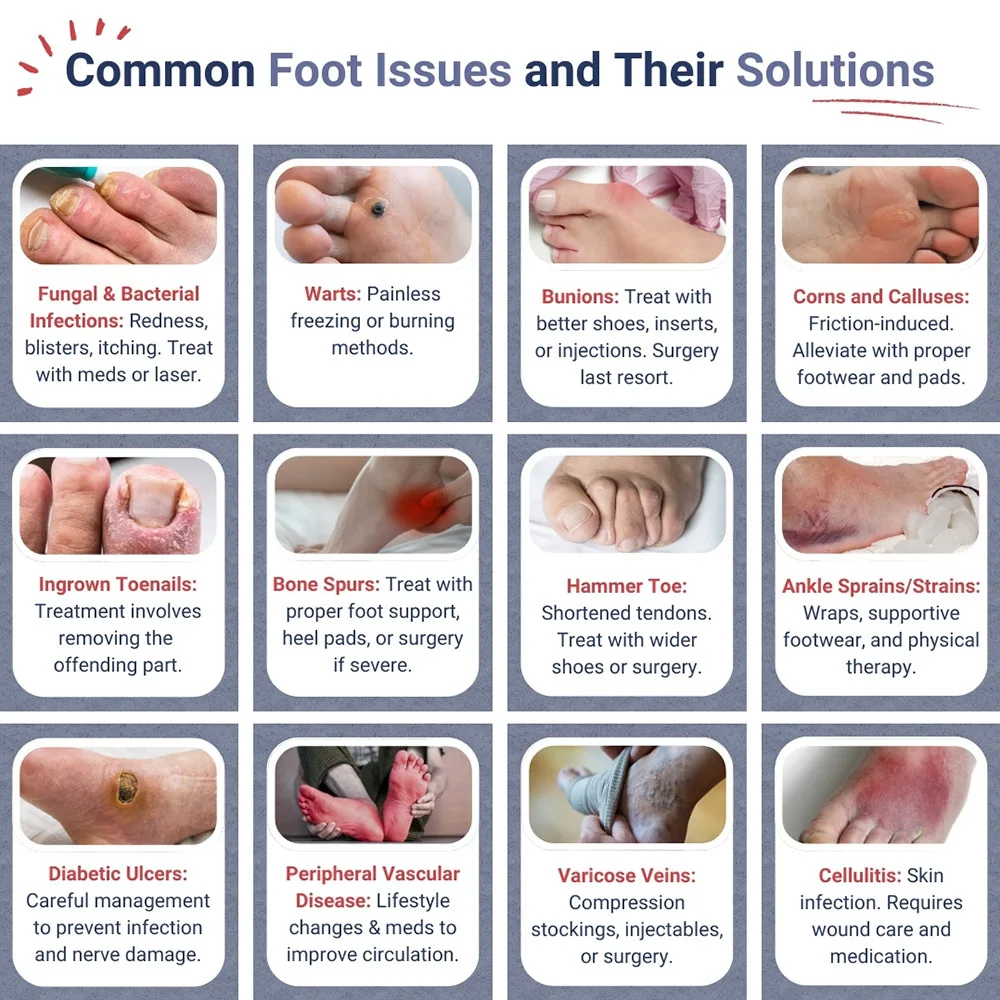
- Fungal and bacterial infections. Infections cause redness, blisters, peeling, and itching. Fungal toenails and athlete’s foot usually respond to topical or oral medications. Laser treatments offer a quicker resolution.
- Warts. Your podiatry doctor may use freezing or burning methods in relatively pain-free procedures.
- Bunions. When your big toe joint is out of alignment, it causes swelling and tenderness. Bunions, either result of ill-fitting shoes or an inherent weakness, can be treated with better-fitting shoes or specialty inserts. Medications can be injected to relieve pain. Surgery is a final treatment option.
- Corns and calluses. These often result from friction as areas of your foot rub against ill-fitting shoes. Finding better shoes and using special pads can help alleviate discomfort. You can get medications from your podiatrist to destroy the uncomfortable tissue.
- Ingrown toenails. Ingrown toenails can form when poorly trimmed nails break the skin around the nail bed. Healing requires the removal of the encroaching part of the nail.
- Bone spurs. Spurs form when calcium deposits on the bones of your feet. They can be caused by lengthy periods of standing, wearing ill-fitting shoes, or being overweight. While bone spurs do not usually cause pain, you can alleviate any discomfort with proper foot support, heel pads, or, in severe cases, surgery.
- Hammer toe. Tendon shortening causes the joint to swell and stiffen. Hammer toe occurs in women who regularly wear high heels. Wider, lower-heeled shoes can help control your discomfort, although surgery is sometimes required.
- Ankle sprain or strain. A sprain (an injury to a ligament) or a strain (an injury to a muscle or tendon) is typically caused by sports injuries or falls and is treated with wraps, supportive footwear, physical therapy, and stretching exercises.
- Ulcerated diabetic sore. Keeping your blood sugar levels under control protects your diabetic feet from nerve damage, injury, and sores. The risk of infection is high. Ulcerated diabetic sore treatment prevents nerve damage and reduces the risk of infection.
- Peripheral vascular disease. This occurs when fatty deposits restrict the blood vessels in your legs and feet, resulting in circulation issues. The top foot doctor will use Ankle-Brachial Index (ABI) testing to determine whether your legs are effectively circulating blood. A nutritious diet, prescribed medication, and regular exercise encourage healthy circulation.
- Varicose veins. Twisted, swollen veins noticeable underneath your skin can be painful and unsightly. They’re often the result of age, pregnancy, genetics, or obesity. Your podiatry doctor has relief-providing options, from compression stockings to injectables or surgery.
- Cellulitis. A skin infection may occur, especially if you have diabetes. You can prevent cellulitis from progressing to more serious conditions by combining wound care, medication, and education.
Read more: https://www.centurymedicaldental.com/specialties/podiatrist/
Google maps: https://maps.app.goo.gl/PdbwPvo4dPFL5gcRA
https://plus.codes/87G8M2V9+7P
Nearby Locations:
Downtown Brooklyn | Brooklyn Heights | Cobble Hill | Boerum Hill | Clinton Hill
11201, 11205, 11217, 11231, 11238
Century Medical & Dental Center
180 Myrtle Ave,
Brooklyn, NY 11201
Tel: (718) 650-2233
Fax: (347) 630-9030
https://www.centurymedicaldental.com/
https://www.centurymedicaldental.com/myrtle-ave-brooklyn-ny/
Working Hours:
Monday: 8:00 am - 6:00 pm
Tuesday: 8:00 am - 6:30 pm
Wednesday: 9:00 am - 7:00 pm
Thursday: 8:00 am - 7:00 pm
Friday: 8:00 am - 6:30 pm
Saturday: 9:00 am - 5:00 pm
Sunday: Closed
Payment: cash, check, credit cards.
Al Adams, DPM
Podiatrist Al Adams, DPM, serves the Brooklyn community with expert foot care and procedures. He can help you with a wide range of foot and ankle problems